

How to Choose a Free Website SEO Audit Tool in 2026 (Without Wasting Your Time)
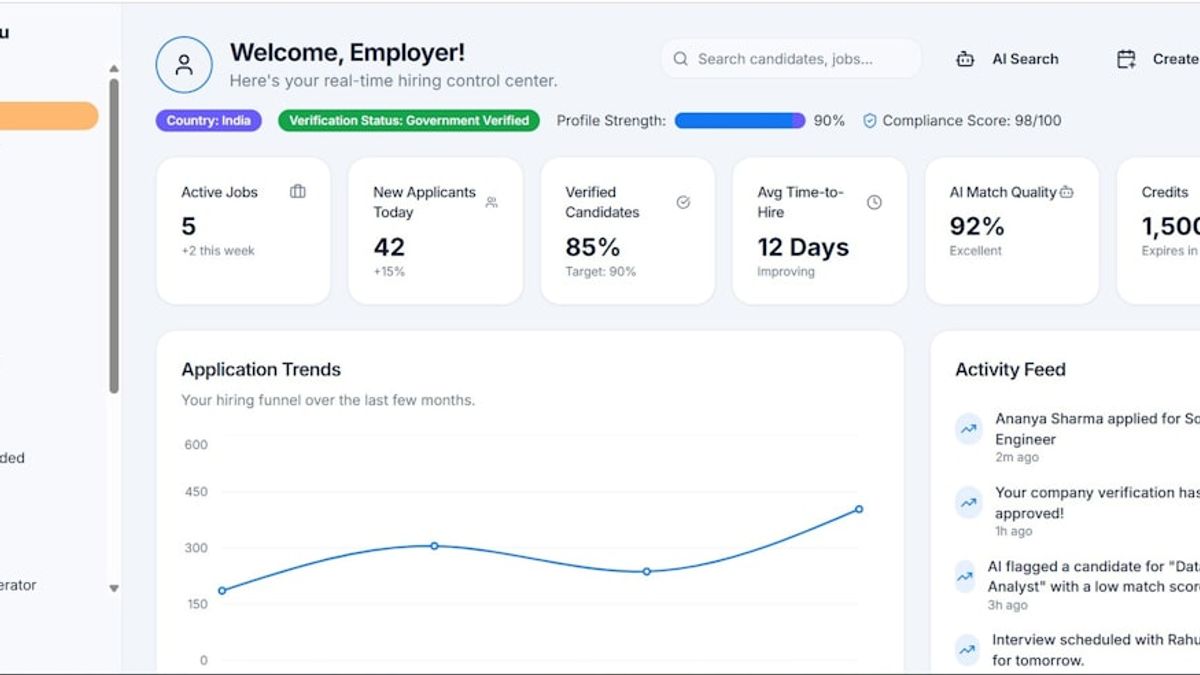
A free website SEO audit tool is a diagnostic platform that scans your site for technical, on-page, and content SEO issues and surfaces recommendations to improve your search rankings. That's the clean definition. The messier reality is that not all audit tools are equally useful, and choosing the wrong one wastes your time just as reliably as doing nothing at all.
This guide walks you through exactly what to look for, what to avoid, and the ten questions you should ask before committing to any tool.
What Should a Free Website SEO Audit Tool Actually Do for You?
At its most basic, a free website SEO audit tool should identify technical errors, on-page SEO gaps, and content issues, then tell you what to fix rather than just flagging that something is broken. The distinction matters more than it sounds. Getting a list of 47 missing meta descriptions is not the same as knowing which three pages to fix first because they're your highest-traffic product pages.
Most free audit tools deliver a one-time snapshot of your site's health. That's useful on day one, but any issues that emerge the following week go undetected until you manually trigger another scan. For a small business owner who doesn't have an SEO specialist watching the dashboard, that gap between audits is where ranking losses quietly accumulate.
This is a problem that shows up consistently. Small business owners without SEO expertise find that raw audit scores and flat error lists don't translate into a clear action plan. A score of "72/100" or a crawl report with hundreds of flagged issues produces paralysis, not progress, unless the tool actively guides you on where to start and why.
There's also a newer dimension that most free tools ignore entirely. In 2026, a truly useful SEO audit tool must also evaluate AEO (Answer Engine Optimization) readiness. AI platforms like ChatGPT and Perplexity now drive significant discovery traffic, and pages that aren't structured to be cited by those engines are invisible to a growing audience, regardless of how well they perform on Google.
Tools like SEOptimer and Ahrefs Site Audit do a solid job of surfacing technical and on-page issues, but the core question when choosing any audit tool isn't just "what does it find?" It's "what does it help me do next?" Most free tools fail the second half of that test.
Our guide on Free Website Audit Tool Criteria breaks down exactly what separates a tool that accelerates your SEO from one that gives you data you don't know how to act on. If you're still weighing your options, our post on how to choose a free SEO site audit tool covers the selection process in detail.
The 6 Criteria That Separate Useful Free SEO Audit Tools from Noise
When you're evaluating any free audit tool, these six criteria are the ones that actually determine whether it'll move your rankings or just fill your inbox with reports you don't read.
1. Ease of use for non-experts
This is the most important criterion if you don't have an SEO background. An audit tool that requires you to interpret raw crawl data, decode technical jargon, and figure out your own action plan produces paralysis, not progress. Look for tools that present findings in plain language with clear next steps. Our roundup of SEO audit tools for small businesses online specifically filters for tools that work for non-technical users.
2. Actionability of recommendations
Good audit tools prioritise issues by SEO impact, not alphabetical order or technical category. When you can see that fixing three specific issues could recover 40% of your lost crawlability, you know where to start. Tools that dump a flat list of every error found, without context, make it nearly impossible to prioritise effectively.
3. Continuous monitoring vs. one-time snapshots
Free tools like SEOptimer, The HOTH's SEO audit tool, and AIOSEO's analyzer are genuinely valuable starting points. But one-time audits don't catch regressions introduced by site updates, new content, or algorithm changes. Continuous automated monitoring is what separates a diagnostic tool from a ranking growth engine. Ahrefs Site Audit offers always-on crawling, but continuous monitoring, competitor tracking, and advanced reporting are gated behind paid tiers starting at $129/month.
4. CMS integration
The ability to push recommendations or fixes directly into WordPress, Shopify, Webflow, or your platform of choice dramatically reduces the gap between insight and implementation. Check your tool's CMS integrations before committing. A tool that generates a PDF report but has no path into your CMS requires a separate manual implementation step that most small business owners never complete.
5. AEO readiness checks
Structured data validation, FAQ schema detection, and featured snippet optimisation are now essential audit criteria. AI answer engines pull from pages that are structurally formatted to be cited. Our AEO Page Checker shows exactly what this looks like in practice. The best AI SEO tools for small business increasingly include AEO as a core audit dimension, not an add-on.
6. Total cost of ownership
A free audit tool that costs nothing but requires 10 hours of expert interpretation per month is more expensive in real terms than a flat-rate automated platform. SEMrush Site Audit and Ahrefs offer deep technical crawling, but they gate continuous monitoring and competitor tracking behind paid tiers starting at $129–$139/month, without a content execution layer. SEO agency retainers typically run $1,500–$5,000 per month. Platforms like Evergreen AI deliver continuous automated auditing and content publishing at flat-rate pricing of $149/month.
One more consideration worth adding: look for tools that monitor your competitors' SEO performance, not just your own. A drop in your rankings is often caused by a competitor's improvement rather than anything you've done wrong. Knowing that gives you a concrete target.
5 Red Flags That Mean a Free SEO Audit Tool Will Waste Your Time
Knowing what to look for is only half the job. You also need to know what to walk away from. Here are five warning signs that a free audit tool will create more work than it saves.
A single vanity score with no breakdown
If a tool gives you one overall score, "72/100," without telling you which issues are actually hurting your rankings most, that score is decorative, not diagnostic. It feels like progress while providing none. Any genuinely useful tool, including beginner-friendly options like SEOptimer and AIOSEO's SEO analyzer, breaks findings into categories and ranks them by severity. Our guide on choosing a website SEO audit tool as a small business explains how to read audit output without getting distracted by surface metrics.
Scan frequency limits
Any tool that only lets you scan your site once per month, or once ever, will miss the continuous stream of SEO errors introduced by content updates, plugin changes, and Google algorithm refreshes. New issues emerge constantly. If your tool can't keep up, you're always looking at stale data.
No issue prioritisation
Tools that surface hundreds of issues without ranking them by estimated traffic impact force non-expert users to guess where to start. Most small business owners, understandably, fix whatever appears at the top of the list, which is often a low-value technical issue rather than the three content gaps costing them 200 visits per month.
No AEO-specific checks
In 2026, the absence of AEO checks is a meaningful gap. If your tool doesn't validate whether your pages use structured data, answer-formatted headers, or FAQ schema, you're auditing for a search landscape that's already changed. AI answer engines like ChatGPT and Perplexity contribute a growing share of zero-click discovery traffic, and pages that aren't structured for citation don't appear in those results regardless of their Google ranking.
No path from diagnosis to execution
A free audit tool that has no built-in fix recommendations, no CMS integration, no content suggestions, and no agency partner network is a speedometer without a steering wheel. It tells you how fast you're going but gives you no way to accelerate. If you want to understand how automated tools bridge this gap, our post on SEO agency alternatives for small business covers exactly that.
Your Before-You-Commit Checklist: 10 Questions to Ask Any Free SEO Audit Tool
Before you invest time setting up any audit tool or building a workflow around it, work through these ten questions. They're grounded in the criteria in our Free Website Audit Tool Criteria guide and apply to every tool on the market, from entry-level free options to platforms like Ahrefs Site Audit and SEMrush.
Does the tool run automatically on a schedule, or do you have to trigger every audit manually? Automated tools catch issues you'd otherwise miss between manual scans. If you have to remember to run the audit, you probably won't.
Does it prioritise issues by estimated ranking impact, or does it dump a flat error list without context? Impact-ranked issues mean you fix the right things first. A flat list means you're guessing.
Does it check for AEO signals? This includes structured data, answer-ready content formatting, FAQ schema, and AI-citation readiness, not just traditional on-page SEO factors. Use our AI Visibility Checker as a benchmark for what AEO-specific audit output should look like.
Does it integrate directly with your CMS? If there's a gap between the tool's recommendations and your ability to implement them in WordPress, Shopify, or Webflow, that gap costs you time and reduces the likelihood that fixes actually get made.
Does it monitor your competitors' SEO performance as well as your own? Identifying the gaps that are costing you traffic is only possible if you know what your competitors are doing. Tools focused solely on your own site miss half the picture.
Does it generate or suggest content to fill keyword and topic gaps, or just tell you that a gap exists? Knowing a gap exists is step one. Having a content plan to close it is step two. The best SEO automation tools for small businesses handle both. Our roundup of automated SEO tools for small business is a useful reference if you're comparing tools on this dimension.
Does it provide plain-language explanations of each issue? A non-technical business owner needs to understand what to fix and why, without having to consult a glossary or hire a consultant to translate the report.
What's the real cost when you factor in your time, any SEO expertise you'd need, and implementation work? The sticker price of "free" can be misleading. Factor in the hours you'll spend interpreting results, researching fixes, and implementing changes manually.
Does the tool optimise for AI answer engine visibility in addition to traditional Google rankings? Perplexity, ChatGPT, and Google's AI Overviews are now significant traffic sources. A tool that only evaluates traditional ranking factors is auditing for 2022, not 2026.
Is there a clear upgrade path if your issues require more than a one-time audit? The best tools offer a natural progression from diagnosis to continuous improvement, without requiring you to switch platforms mid-strategy.
Frequently Asked Questions About Free Website SEO Audit Tools
Are free website SEO audit tools good enough for small businesses?
Free website SEO audit tools are a solid starting point for identifying technical issues like broken links, missing meta descriptions, and slow page speed. However, they almost always deliver one-time snapshots rather than continuous monitoring, lack AEO readiness checks for AI answer engines, and don't generate or publish the content needed to close ranking gaps. For a small business serious about growing organic traffic, a free audit is a useful first diagnostic step, but it shouldn't be mistaken for an ongoing SEO strategy.
What is the difference between a free SEO audit and continuous automated SEO monitoring?
A free SEO audit is a manual, on-demand scan of your website at a single point in time. Continuous automated SEO monitoring runs recurring crawls on a defined schedule, alerts you when new issues appear, tracks competitor movements, and can automatically enhance existing pages. The compounding effect of continuous monitoring means rankings improve progressively over time rather than plateauing after a one-time fix.
Do free SEO audit tools check for AEO (Answer Engine Optimization) readiness?
Most free SEO audit tools available in 2026 do not include AEO-specific checks. AEO readiness involves validating structured data markup, FAQ schema, answer-formatted headers, and whether your content is structured to be cited by AI answer engines like ChatGPT, Perplexity, and Google's AI Overviews. If your tool doesn't check for these signals, you may be ranking on Google but invisible on AI-powered search surfaces, which is a growing source of discovery traffic.
How much does a good SEO audit tool cost compared to an agency?
SEO agency retainers typically range from $1,500 to $5,000 per month for small business engagements. Enterprise-grade platforms like SEMrush and Ahrefs charge $129–$139/month for their core tiers but don't include content creation or publishing. Evergreen AI provides fully automated SEO and AEO auditing, competitor gap analysis, daily content publishing, and continuous page enhancement for a flat $149/month, with no SEO expertise required.
What should I do after running a free SEO audit?
After running a free SEO audit, prioritise the issues with the highest estimated impact on organic traffic rather than working through the full list sequentially. Focus first on critical technical errors (crawlability, indexation, page speed), then on high-traffic pages with missing or weak on-page optimisation. Once immediate issues are resolved, shift to continuous monitoring so new problems are caught automatically, and ensure your content strategy is actively targeting the keyword gaps your audit has surfaced. Our overview of SEO audit tools for small businesses online includes post-audit guidance for each tool type.
Can I use a free SEO audit tool if I have no SEO knowledge?
Yes, but with important caveats. Many free tools, including SEOptimer, AIOSEO's analyzer, and The HOTH's audit tool, are designed to be beginner-friendly and present findings in plain language. The challenge is that identifying issues is only the first step. Implementing fixes and building the content strategy to address gaps still typically requires SEO knowledge or professional help. Platforms that combine auditing with automated content execution remove this barrier entirely.